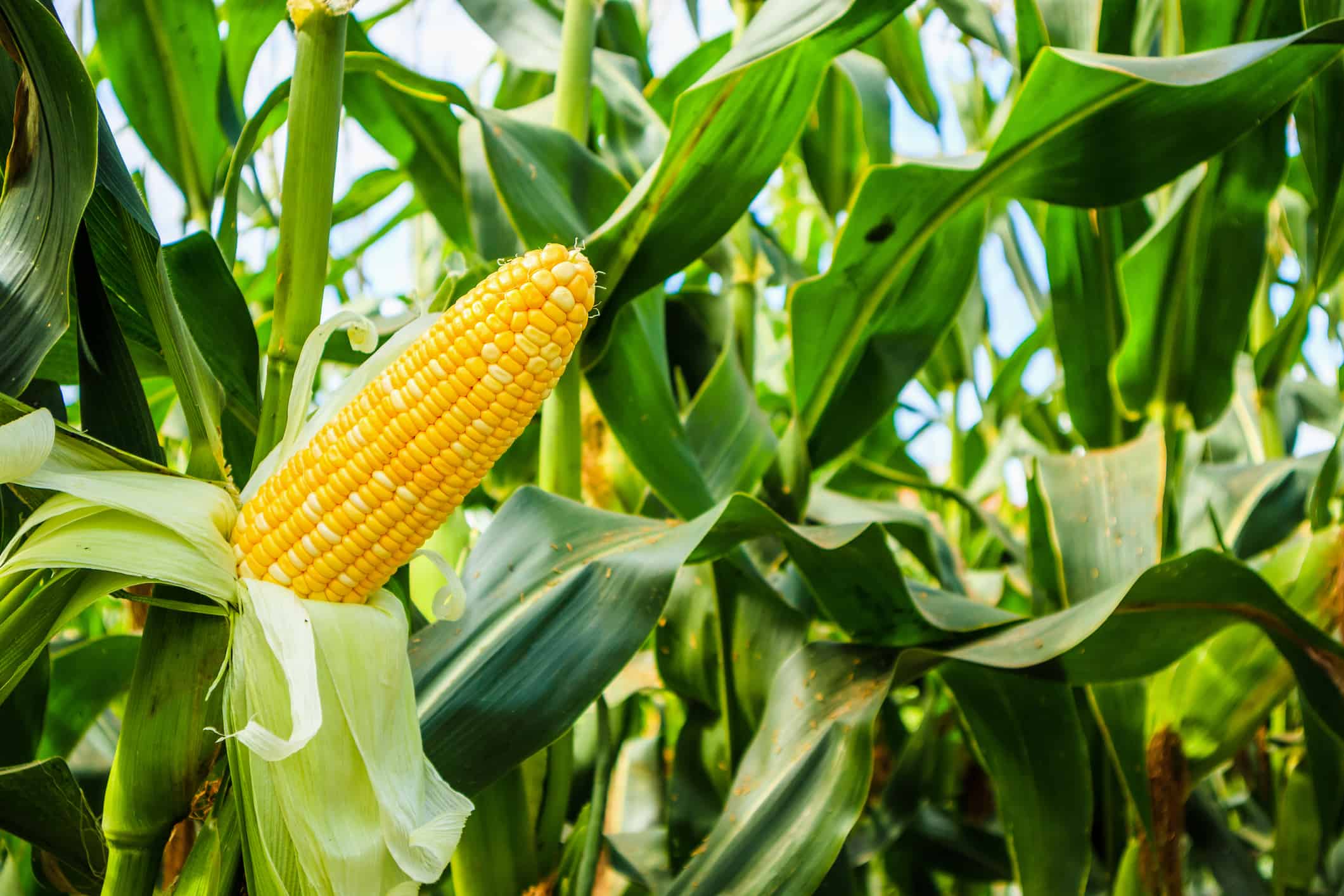
Maize, also known as corn, is a staple crop in Zimbabwe, playing a vital role in the country’s food security and economy. With its adaptability to various climatic conditions, maize can be grown in different regions of Zimbabwe, making it a crucial crop for farmers. Beyond food, maize serves as livestock feed, biofuel source, and industrial raw material. Its global economic importance stems from its high yield potential, nutritional value, and versatility in both traditional and modern agricultural systems. Corn production in Zimbabwe is dominated by smallholder farmers who have limited access to irrigation technologies.
Tomatoes (cultivated varieties of Solanum lycopersicum) belong to the nightshade family. Although botanically classified as fruits, they are commonly consumed as vegetables. Tomatoes are rich in essential nutrients, including vitamin C, potassium, folate, and vitamin K. It's considered a vegetable fruit, commonly eaten raw in salads, served as a cooked vegetable, used as an ingredient of various prepared dishes, and pickled.
A major dietary source of lycopene, tomatoes contribute to antioxidant intake, which has been associated with a reduced risk of heart disease and cancer. Typically red at maturity, tomatoes also appear in various colors such as yellow, orange, green, and purple, reflecting their genetic diversity and nutritional profiles.
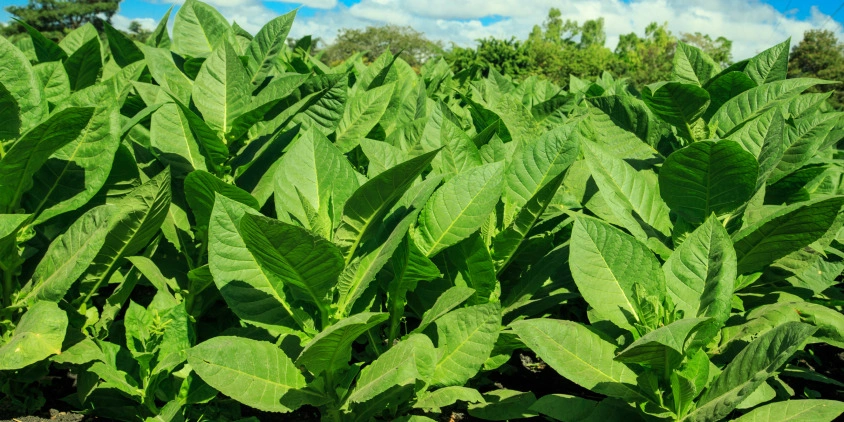
Tobacco is the common name of several plants in the genus Nicotiana of the family Solanaceae, and the general term for any product prepared from the cured leaves of these plants. More than 70 species of tobacco are known, but the chief commercial crop is Nicotiana tabacum. Tobacco is Zimbabwe's second-largest foreign exchange earner after gold.
Tobacco (golden leaf) is a key agricultural crop in Zimbabwe, introduced during the colonial period due to its adaptability to local soils and climate. The crop thrives in sandy loam soils with warm temperatures and moderate rainfall, predominantly in the northern and central regions. Flue-cured Virginia tobacco is the primary type cultivated, used mainly for cigarette production. Tobacco is classified by curing methods—flue, fire, air, or sun-cured—each serving different end uses. Flue-cured tobacco dominates Zimbabwe's production, supporting both local economies and international trade.
The crop thrives in subtropical regions with diurnal temperature variation, requiring well-aerated soils and consistent moisture for optimal growth.